Top Myths About Home Cooling Debunked
Understanding Home Cooling Myths
When it comes to cooling your home, there are numerous myths and misconceptions that can lead to inefficient energy use and higher bills. Understanding the truth behind these myths can help you maintain a comfortable living environment while saving money on energy costs.

Myth 1: Bigger Air Conditioners Are Better
A common misconception is that a bigger air conditioner will cool your home more effectively. In reality, an oversized unit can lead to higher energy consumption and uneven cooling. It's essential to choose an air conditioner that matches the size of your space to ensure efficiency and comfort.
When an air conditioner is too large, it will cycle on and off frequently, leading to increased wear and tear on the system. This can result in higher maintenance costs and a shorter lifespan for the unit. Proper sizing is crucial for optimal performance.
Myth 2: Ceiling Fans Cool the Room
Another prevalent myth is that ceiling fans cool the room. In fact, fans do not lower the temperature; they simply move the air around, creating a wind-chill effect that makes you feel cooler. It's important to turn off fans when you leave the room to save energy.

Using fans in conjunction with your air conditioning can help circulate cool air more effectively, allowing you to set your thermostat a few degrees higher without sacrificing comfort.
Myth 3: Closing Vents in Unused Rooms Saves Energy
Many people believe that closing vents in unused rooms will save energy. However, this can actually cause your HVAC system to work harder, leading to increased energy consumption and potential damage to the system. Modern HVAC systems are designed to operate efficiently with all vents open.
Instead of closing vents, consider using zone control systems or programmable thermostats to manage air distribution more effectively.
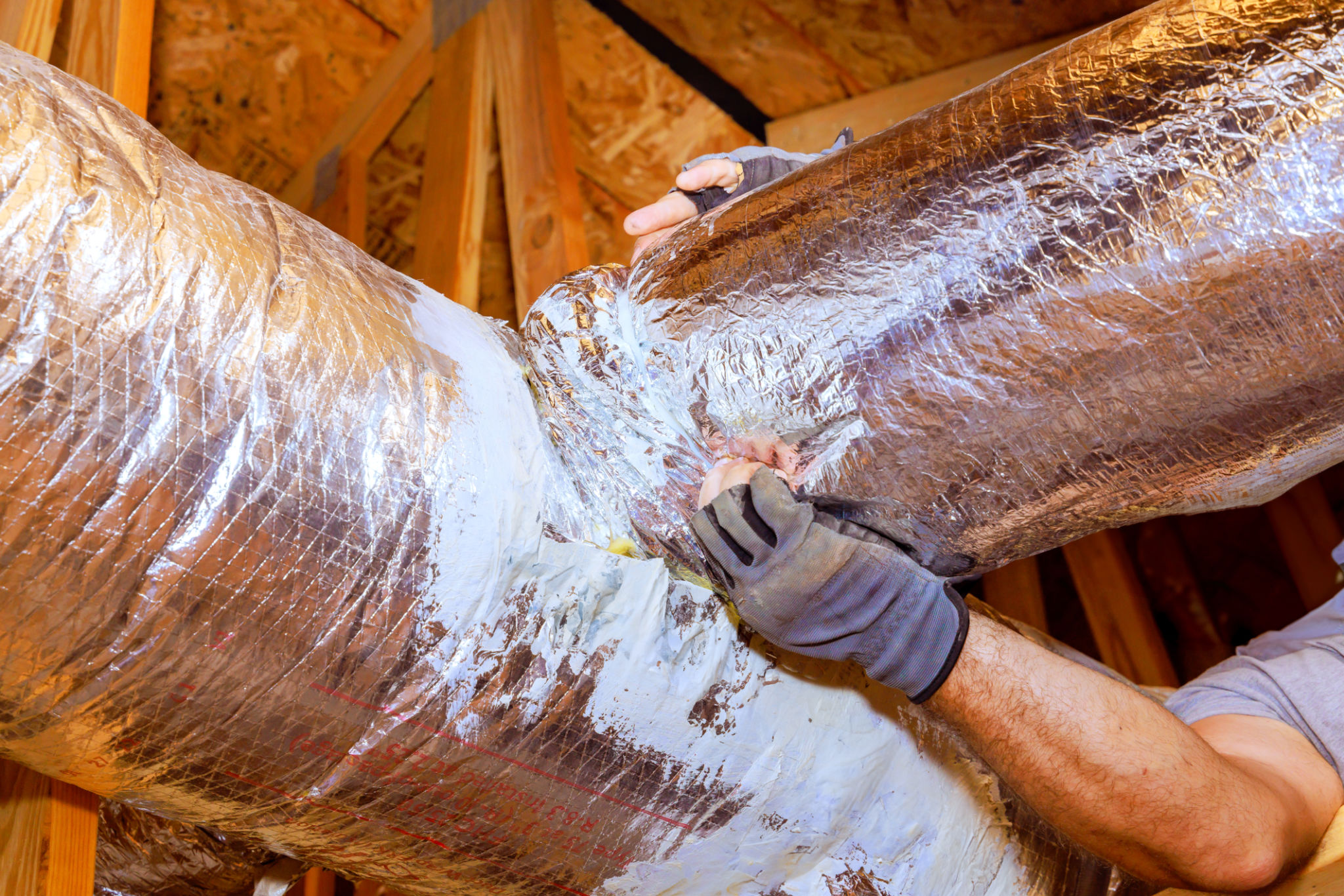
Myth 4: Lowering the Thermostat Cools the Home Faster
A common myth is that setting the thermostat to a lower temperature will cool your home more quickly. Air conditioners work at a consistent rate, so lowering the temperature setting won't speed up the cooling process. It will only result in excessive energy use and discomfort.
To achieve efficient cooling, set your thermostat to a comfortable temperature and be patient as your system works to reach it. Utilizing a programmable thermostat can also help maintain consistent temperatures throughout the day.
Conclusion
By debunking these common myths, you can optimize your home's cooling system for efficiency and comfort. Understanding the realities of cooling can lead to smarter choices that save energy and reduce costs. Stay informed and make decisions based on facts, not myths.